Why Your Daily Health Check Might Be Doing More Harm Than Good
You check your step count, track your sleep, and monitor your heart rate—constantly chasing better health. But what if these habits are quietly stressing you out? I’ve been there. Obsessing over data made me anxious, not healthier. This isn’t about ditching monitoring altogether, but recognizing its hidden downsides. Real preventive care means balancing awareness with peace of mind. Let’s explore the unseen risks and how to stay truly healthy—without losing yourself in the numbers.
The Rise of Self-Tracking: When Awareness Becomes Overload
Over the past decade, personal health tracking has evolved from a niche interest into a mainstream habit. Millions now wear fitness trackers or smartwatches that log everything from steps taken to blood oxygen levels. Mobile apps monitor hydration, menstrual cycles, calorie intake, and even mood patterns. These tools promise empowerment—giving individuals insight into their bodies and encouraging proactive health choices. For many, starting to track is motivated by a desire to improve fitness, lose weight, or detect early signs of illness. The ability to see progress in real time can be deeply satisfying, offering a sense of control in an unpredictable world.
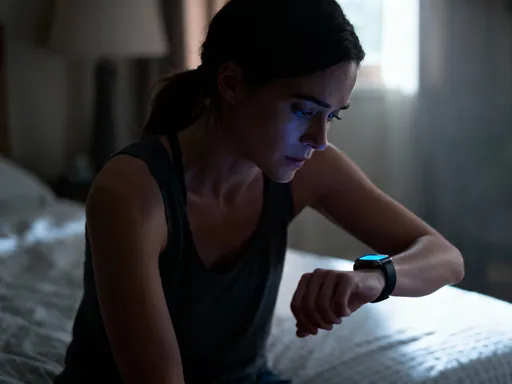
Yet, this constant access to personal data has a flip side. What begins as a helpful habit can gradually morph into an obsessive routine. Some users find themselves checking their devices dozens of times a day, adjusting behaviors not based on how they feel, but on what the numbers say. A slightly lower sleep score might trigger a restless night of worry. A missed step goal could ruin an otherwise productive day. The line between awareness and anxiety is thinner than many realize. When tracking shifts from being a supportive tool to a source of stress, it undermines the very health it was meant to improve.
This transition often happens subtly. At first, people use data to guide small improvements—walking more, drinking water, going to bed earlier. But over time, the focus can shift from overall well-being to performance metrics. The device becomes an authority, and the user its obedient follower. Psychological research suggests that when individuals tie their self-worth too closely to measurable outcomes, they become vulnerable to emotional distress when those numbers fluctuate. In this context, health tracking ceases to be preventive care and starts resembling a form of self-surveillance—one that prioritizes data accuracy over human experience.
The Anxiety Trap: How Data Can Fuel Stress Instead of Prevention
One of the most significant yet underrecognized risks of over-monitoring is its impact on mental health. Constantly reviewing biometric data can activate the brain’s threat detection system, leading to chronic low-grade anxiety. For example, someone who checks their resting heart rate multiple times a day may interpret a minor increase as a sign of danger, even when it’s caused by something as harmless as a cup of coffee or a stressful email. The absence of immediate context turns neutral fluctuations into potential emergencies. This phenomenon, known as health anxiety or hypochondriasis, is increasingly linked to the overuse of personal health technology.
Real-life examples illustrate this growing concern. A 42-year-old mother in Ohio reported that her sleep tracker’s nightly “sleep efficiency” score began dictating her bedtime routine. If the score dipped below 85%, she would lie awake trying to “fix” her rest, ironically making insomnia worse. Another case involved a 38-year-old teacher who visited his doctor repeatedly due to elevated heart rate readings. After extensive testing, no medical issue was found—his readings were elevated due to anxiety about the readings themselves. These stories are not outliers. A 2022 study published in the Journal of Medical Internet Research found that frequent users of wearable health devices were 1.7 times more likely to report symptoms of health-related anxiety compared to non-users.
The psychological mechanism behind this is well understood. The human brain is wired to respond to perceived threats, and ambiguous data can act as a constant trigger. When people lack the medical training to interpret fluctuations in heart rate variability, respiratory rate, or sleep stages, they tend to assume the worst. This creates a feedback loop: more tracking leads to more worry, which increases stress hormones like cortisol, which in turn affects the very metrics being monitored. The tool meant to promote calm and control ends up fueling a cycle of fear and physiological disruption.
Misinterpretation Danger: When Numbers Lie (or Mislead)
Another critical issue with self-tracking is the risk of misinterpreting data. Biometric readings are not diagnoses—they are snapshots influenced by countless variables. A high resting heart rate could indicate dehydration, stress, caffeine intake, or a viral infection. Without context, it’s impossible to know. Yet many users treat these numbers as definitive truths. This leads to two dangerous outcomes: unnecessary alarm or false reassurance. Someone might panic over a single abnormal reading, leading to emergency room visits for benign causes. Conversely, another person might feel secure because their device shows “normal” metrics, even while experiencing real symptoms that the device cannot detect.
Consider the example of blood oxygen monitoring. Pulse oximeters built into smartwatches provide convenient access to SpO2 levels, but they are not medical-grade devices. Factors like skin tone, nail polish, hand movement, or poor sensor contact can affect accuracy. A reading of 94% might be perfectly normal for one person but concerning for another, especially if they have underlying lung conditions. Yet, without professional guidance, users may make health decisions based solely on these readings. In some cases, this has led to delayed care when symptoms were ignored because “the watch said everything was fine.”
Similarly, sleep tracking algorithms estimate sleep stages based on movement and heart rate patterns, but they cannot measure brain activity like clinical polysomnography. This means that a device might label a period of quiet wakefulness as deep sleep, giving a falsely positive assessment. When people rely on such data to judge their rest quality, they may overlook real sleep disorders like sleep apnea or restless leg syndrome. The danger lies not in the technology itself, but in treating consumer-grade data as clinically reliable. Medical decisions should always be based on comprehensive evaluation, not isolated metrics from non-regulated devices.
Neglecting the Bigger Picture: Physical vs. Mental Well-Being
In the pursuit of optimal health scores, many people unintentionally sacrifice aspects of well-being that cannot be measured. Joy, relaxation, social connection, and emotional resilience do not appear on a dashboard, yet they are fundamental to long-term health. A woman might achieve her daily step goal but do so at the cost of missing dinner with her family. A man might hit his target sleep duration but spend the entire next day in a bad mood because he felt pressured to stay in bed regardless of whether he was actually rested. When metrics become the primary focus, the lived experience of health fades into the background.
This imbalance reflects a broader cultural shift toward quantification. We live in a world that values what can be measured, often at the expense of what matters most. Preventive healthcare should not be reduced to a series of numbers to optimize. True wellness includes mental clarity, emotional stability, and the ability to enjoy life. Chronic stress, even if masked by “good” biometrics, increases the risk of cardiovascular disease, weakens the immune system, and accelerates aging. Therefore, a person who is technically “healthy” on paper but emotionally drained is not truly well.
Moreover, the pressure to meet daily targets can erode intrinsic motivation. When exercise becomes a chore to close a ring or hit a step count, it loses its natural benefits—pleasure, stress relief, and social bonding. Over time, this can lead to burnout, disengagement, or even exercise avoidance. The goal of preventive care should be sustainable habits that enhance quality of life, not rigid routines that deplete it. A balanced approach recognizes that sometimes resting when tired, skipping a workout to spend time with loved ones, or eating dessert without guilt are not failures—they are acts of self-care.
The Doctor-Patient Gap: Replacing Professional Insight with DIY Guesswork
Another unintended consequence of widespread health tracking is the erosion of trust in medical professionals. Some individuals arrive at appointments armed with weeks of biometric data, convinced they have diagnosed their own condition. While patient engagement is positive, self-diagnosis based on incomplete information can be harmful. Algorithms in consumer devices are designed for general use, not individualized medical assessment. They lack the nuance of a clinician’s evaluation, which considers medical history, physical examination, lab tests, and patient-reported symptoms.
There are documented cases where patients delayed seeking care because their device showed “normal” readings, only to later discover serious conditions. In one instance, a woman experienced persistent fatigue and shortness of breath but dismissed her symptoms because her smartwatch showed normal heart rate and oxygen levels. By the time she consulted a doctor, she was diagnosed with anemia and early-stage heart failure. Her device did not detect these issues because it was not designed to. Relying solely on wearables can create a false sense of security and prevent timely intervention.
Conversely, some patients seek unnecessary testing due to minor fluctuations in their data. A slightly elevated heart rate over a few days might prompt multiple doctor visits, blood tests, and even imaging studies—none of which reveal a problem. This not only increases healthcare costs but also exposes individuals to avoidable procedures and radiation. The solution is not to stop using technology, but to integrate it wisely. Data should be shared with healthcare providers as part of a broader conversation, not used to replace clinical judgment. Doctors can help interpret trends, identify red flags, and determine when further investigation is truly needed.
Health Monitoring Done Right: A Balanced, Sustainable Approach
None of this means that health tracking should be abandoned. When used intentionally, these tools can support meaningful behavior change. The key is balance. Instead of checking data constantly, users can set specific times to review it—such as once a week during a personal health check-in. This reduces the compulsive urge to monitor and allows for a more thoughtful interpretation of trends over time. It’s also helpful to identify which metrics truly matter for individual goals. For someone managing prediabetes, blood glucose trends may be important. For another person focused on stress reduction, heart rate variability might be more relevant than step count.
Equally important is the mindset shift from perfection to progress. A single day of low activity or poor sleep does not erase long-term gains. Health is not a series of daily pass/fail tests. By focusing on patterns rather than isolated data points, individuals can make informed adjustments without falling into despair. Turning off non-essential notifications—such as hourly reminders to stand or breathe—can also reduce digital stress. These alerts, while well-intentioned, can fragment attention and increase anxiety, especially for those already prone to overthinking.
Another effective strategy is to designate “tech-free” days or periods. Taking a weekend off from tracking allows people to reconnect with how their body feels, rather than how it scores. This sensory awareness—listening to energy levels, mood, and physical comfort—is a form of data that no device can replicate. Over time, this fosters a deeper, more intuitive relationship with one’s health. The goal is not to eliminate technology, but to ensure it serves the user, not the other way around.
Building True Preventive Habits: Beyond the Screen
Sustainable health goes beyond what any device can measure. Preventive care includes regular medical check-ups, vaccinations, cancer screenings, and dental visits—none of which require a smartwatch. It also involves lifestyle practices that support long-term resilience: eating whole foods, staying physically active in enjoyable ways, maintaining social connections, and managing stress through mindfulness or relaxation techniques. These habits are not flashy or easily quantified, but they form the foundation of real well-being.
Mindful movement—such as walking in nature, stretching, or gentle yoga—offers physical and mental benefits without the pressure of performance. Unlike tracked workouts, these activities encourage presence and enjoyment rather than goal achievement. Similarly, paying attention to body cues—like hunger, fatigue, or emotional tension—helps people respond to their needs in real time. This internal awareness develops with practice and is often dulled by over-reliance on external metrics.
A personalized health plan should be flexible, not rigid. It includes room for rest, spontaneity, and imperfection. For many women in their 30s to 50s—juggling family, work, and personal responsibilities—this flexibility is essential. A one-size-fits-all tracking regimen rarely fits anyone perfectly. Instead, the most effective approach combines occasional use of technology with trusted medical guidance and self-compassion. When health habits are rooted in care rather than control, they become sustainable. Studies show that people who focus on overall well-being, rather than constant optimization, report higher life satisfaction and better long-term health outcomes.
Ultimately, the best preventive strategy is one that preserves peace of mind. Health is not a number to be chased, but a state of being to be nurtured. By stepping back from the screen and tuning into the full spectrum of human experience, individuals reclaim agency over their well-being. They learn to trust themselves—not because they have perfect data, but because they are listening, adapting, and living with intention.