How I Stay Ahead of Illness—Simple Moves That Actually Work
Staying healthy isn’t about quick fixes or extreme diets—it’s about consistent, smart choices. I used to think preventive care was just doctor visits, but I’ve learned it’s so much more. Through small daily habits, I’ve boosted my energy, strengthened my immunity, and taken real control of my well-being. This is what effective disease management looks like before problems start. It’s not about fear or chasing perfection; it’s about making thoughtful decisions every day that add up to lasting health. The truth is, most chronic illnesses don’t appear overnight. They develop silently over years, often shaped by lifestyle patterns we can influence. By choosing prevention, we’re not just avoiding sickness—we’re investing in a stronger, more vibrant life.
The Wake-Up Call: Recognizing the Need for Prevention
For years, I treated my body like a machine I could ignore until something broke. I’d power through fatigue, dismiss frequent colds as normal, and rely on coffee to keep going. It wasn’t until I found myself missing work due to recurring infections—and learning that heart disease ran in my family—that I realized I couldn’t keep living on autopilot. My wake-up call wasn’t dramatic, but it was powerful: I didn’t want to wait for a diagnosis to start caring for myself. Many people operate the same way, believing that as long as they don’t feel sick, they’re healthy. But this reactive mindset is risky. Conditions like high blood pressure, type 2 diabetes, and certain cancers often show no symptoms in their early stages. By the time signs appear, the disease may already be advanced and harder to manage.
Shifting from a reactive to a proactive approach changed everything. Prevention, at its core, means taking action before illness takes hold. It’s not about living in fear of getting sick, but about empowering yourself with knowledge and habits that reduce risk. This mindset shift is supported by public health research, which consistently shows that preventive behaviors—like regular physical activity, balanced nutrition, and routine screenings—can significantly lower the likelihood of developing chronic diseases. The goal isn’t immortality, but resilience: building a body that can better withstand challenges, recover faster, and function well over time. For me, this meant accepting that health isn’t something that just happens—it’s something I actively create, day by day.
Recognizing family history as a risk factor was another turning point. Genetics can influence predisposition, but they don’t seal fate. Studies in epigenetics show that lifestyle choices can affect how genes are expressed, meaning that even if you have a family history of a certain condition, your daily habits can help determine whether that gene becomes active. This understanding was liberating. Instead of feeling doomed by my DNA, I saw an opportunity to take charge. Prevention became personal. It wasn’t about following generic advice; it was about making informed choices tailored to my own risks and needs. This awareness laid the foundation for lasting change—one built on responsibility, not fear.
Understanding Preventive Healthcare: Science Made Simple
Preventive healthcare is often misunderstood. Some people think it’s only about vaccinations or annual check-ups, while others confuse it with alternative medicine or fad wellness trends. In reality, preventive care is a science-based approach focused on reducing the risk of disease before it starts. It includes three levels: primary prevention (avoiding disease entirely), secondary prevention (detecting issues early), and tertiary prevention (managing existing conditions to prevent complications). What it isn’t is a one-size-fits-all solution or a magical cure. It’s a collection of evidence-backed strategies that work together to support long-term health.
The human body is remarkably responsive to lifestyle inputs. Every choice—what we eat, how we move, how we sleep—sends signals that influence our biological systems. For example, chronic inflammation, once thought to be just a symptom of disease, is now recognized as a key driver of many chronic conditions, including heart disease, arthritis, and certain cancers. Lifestyle factors like poor diet, lack of exercise, and ongoing stress can keep the body in a constant state of low-grade inflammation, weakening its defenses over time. On the other hand, healthy habits help regulate inflammation, support immune function, and improve metabolic health. Think of your body like a garden: if you give it good soil, sunlight, and water, it thrives. Neglect it, and weeds take over.
Research consistently supports the benefits of preventive care. The Centers for Disease Control and Prevention (CDC) estimates that up to 80% of heart disease and type 2 diabetes cases, and 40% of cancer diagnoses, could be prevented through lifestyle changes. These aren’t vague promises—they’re measurable outcomes observed in large-scale studies. For instance, the Diabetes Prevention Program, a major clinical trial, found that participants who made modest lifestyle changes—like losing 5–7% of their body weight and exercising 150 minutes per week—reduced their risk of developing type 2 diabetes by 58%. These results are more effective than medication for many people. Similarly, studies show that regular physical activity lowers the risk of colon and breast cancer, while a diet rich in fruits, vegetables, and whole grains supports cardiovascular health.
Understanding this science doesn’t require a medical degree. It’s about seeing health as a system, not a series of isolated parts. When you improve one area—say, sleep quality—it often has ripple effects. Better sleep leads to better decision-making, which supports healthier eating, which in turn stabilizes energy and mood. Prevention works cumulatively. It’s not about perfection, but consistency. The goal is to create a lifestyle that naturally supports your body’s ability to stay strong, heal, and function well. This kind of health isn’t flashy, but it’s powerful—and within reach for most people.
Daily Habits That Build Long-Term Defense
If prevention is the goal, daily habits are the tools. The most effective strategies aren’t extreme or complicated—they’re simple, repeatable actions that become part of your routine. Three pillars stand out: sleep, hydration, and movement. These may seem basic, but their impact is profound. Sleep, for example, is when the body repairs tissues, balances hormones, and strengthens the immune system. Chronic sleep deprivation has been linked to increased risks of obesity, heart disease, and weakened immunity. Yet, many adults don’t get the recommended 7–9 hours per night. Making sleep a priority—by setting a consistent bedtime, limiting screen time before bed, and creating a restful environment—can transform energy levels and resilience.
Hydration is another cornerstone. Water supports every major function in the body, from digestion to circulation to temperature regulation. Even mild dehydration can cause fatigue, headaches, and difficulty concentrating. Yet, many people rely on thirst as a signal, not realizing that by the time they feel thirsty, they’re already slightly dehydrated. A practical approach is to keep a reusable water bottle nearby and sip throughout the day. Adding lemon or cucumber can make it more appealing, but the key is consistency. Over time, staying hydrated helps the body flush toxins, maintain healthy skin, and support kidney function.
Movement is perhaps the most accessible form of prevention. You don’t need to run marathons or spend hours in the gym. Just 20 minutes of brisk walking each day can improve cardiovascular health, boost mood, and enhance immune function. Walking is low-impact, free, and easy to integrate into daily life—whether it’s a morning stroll, a walk during lunch, or an evening pace around the neighborhood. The benefits go beyond physical health. Movement helps regulate stress hormones, improves sleep quality, and increases energy. The key is regularity. It’s better to walk 20 minutes every day than to do an intense workout once a week and then feel too sore to move. Sustainable habits are the ones that last.
Integrating these habits into real life requires planning and patience. Start small. If you’re not used to walking, begin with 10 minutes and gradually increase. If you struggle with sleep, focus on one change at a time—like turning off electronics an hour before bed. The goal isn’t to overhaul your life overnight, but to build momentum. Tracking progress can help. Use a simple journal or app to note your sleep hours, water intake, or steps. Over time, these small wins build confidence and reinforce the habit loop. Remember, prevention isn’t about doing everything perfectly—it’s about doing something consistently.
Nutrition as Prevention: Eating to Stay Strong
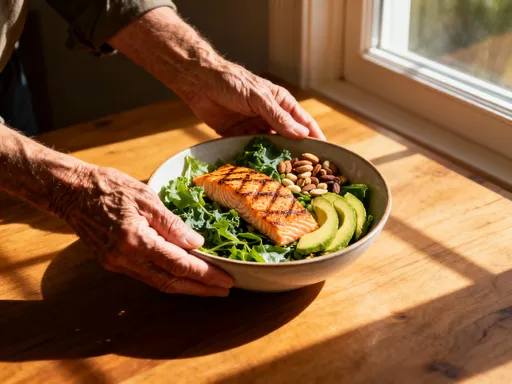
Food is one of the most powerful tools for disease prevention. What we eat directly influences inflammation, immune function, gut health, and energy levels. A diet centered on whole, unprocessed foods provides the nutrients the body needs to function optimally. Vegetables and fruits are rich in antioxidants, which help neutralize free radicals and reduce oxidative stress—a key factor in aging and chronic disease. Fiber, found in whole grains, legumes, and vegetables, supports digestive health and helps regulate blood sugar and cholesterol. Healthy fats—like those in avocados, nuts, seeds, and olive oil—play a vital role in brain function and hormone production. Plant-based proteins, such as beans and lentils, offer a heart-healthy alternative to red and processed meats, which have been linked to increased risks of heart disease and certain cancers.
At the same time, reducing processed foods and added sugars is one of the most impactful changes you can make. Processed foods often contain high levels of sodium, unhealthy fats, and refined carbohydrates, all of which can contribute to inflammation and metabolic dysfunction. Excess sugar, in particular, has been shown to impair immune function and promote fat storage, especially around the abdomen—a risk factor for insulin resistance and heart disease. Research from the American Heart Association shows that high sugar intake is associated with an increased risk of cardiovascular disease, independent of weight. This doesn’t mean eliminating sweets entirely, but being mindful of how much and how often they’re consumed.
Simple swaps can make a big difference over time. Replace sugary breakfast cereals with oatmeal topped with fruit and nuts. Choose whole grain bread instead of white. Snack on raw vegetables or yogurt instead of chips. Cook at home more often, where you control the ingredients. These changes don’t require gourmet skills—just awareness and intention. Meal planning can help. Preparing a few healthy dishes in advance reduces the temptation to order takeout when you’re tired. Over time, your taste preferences adapt. Foods that once seemed bland—like steamed vegetables or plain yogurt—start to taste satisfying. Your body begins to crave nourishment, not just stimulation.
Nutrition isn’t about strict rules or deprivation. It’s about balance and consistency. The Mediterranean diet, widely studied for its health benefits, is a great example of a preventive eating pattern. It emphasizes plant-based foods, healthy fats, and moderate protein, while allowing for occasional treats. Studies show it’s linked to lower rates of heart disease, cognitive decline, and depression. You don’t have to live in Greece to follow it—just adopt its principles. Eat more plants, cook with olive oil, enjoy meals slowly, and share them with loved ones. Food is not just fuel; it’s connection, comfort, and culture. When used wisely, it becomes one of your strongest allies in staying well.
Stress and Immunity: The Hidden Connection
One of the most overlooked aspects of preventive health is stress management. Chronic stress—whether from work, caregiving, or financial worries—has a direct and measurable impact on the body. When stress becomes constant, the body remains in a state of heightened alert, releasing stress hormones like cortisol and adrenaline. Over time, this can suppress immune function, increase inflammation, and disrupt sleep, digestion, and mood. Studies show that people under chronic stress are more susceptible to infections and may take longer to recover. Stress doesn’t just affect the mind; it wears down the body in tangible ways.
The good news is that stress can be managed, even if the source can’t be removed. Simple techniques can help reset the nervous system and restore balance. Deep breathing, for example, activates the parasympathetic nervous system, which promotes relaxation. Taking just a few minutes each day to breathe slowly and deeply—inhaling through the nose, holding briefly, and exhaling fully—can lower heart rate and reduce tension. Mindful moments, like pausing to notice your surroundings or savoring a cup of tea, help break the cycle of rumination. Even short breaks during the day—stepping outside, stretching, or listening to calming music—can provide relief.
Mental well-being is inseparable from physical health. People who practice gratitude, maintain social connections, and engage in activities they enjoy tend to have stronger immune responses and lower levels of inflammation. This isn’t just feel-good advice—it’s supported by science. Research in psychoneuroimmunology explores how thoughts and emotions influence immune function. For example, a study published in the journal Psychosomatic Medicine found that individuals with higher levels of psychological well-being had better antibody responses to vaccines. This shows that how you feel emotionally can directly affect how well your body defends itself.
Building resilience doesn’t require hours of meditation or expensive retreats. It’s about small, regular practices that support mental clarity and emotional balance. Journaling, talking with a trusted friend, or spending time in nature can all help. The key is consistency. Just as physical exercise strengthens muscles, mental practices strengthen emotional regulation. Over time, you become better at navigating challenges without becoming overwhelmed. By managing stress, you’re not just improving your mood—you’re protecting your health at a biological level.
Monitoring and Movement: Your Body’s Feedback System
Your body sends signals every day—energy levels, sleep quality, mood, digestion, and more. Learning to pay attention to these cues is a form of self-care. Regular check-ups with a healthcare provider are essential, but so is self-awareness. Tracking how you feel can help you identify patterns and make informed choices. For example, if you notice low energy after eating certain foods, it might indicate a sensitivity. If poor sleep follows late screen use, it’s a clue to adjust your routine. This kind of personal monitoring turns abstract health goals into concrete, actionable insights.
Basic tracking doesn’t have to be complicated. A simple journal or mobile app can help you log sleep, meals, mood, or physical activity. Over time, trends emerge. You might see that on days you walk, your mood improves. Or that when you drink enough water, you feel more focused. These observations reinforce positive habits and help you stay accountable. They also make it easier to discuss concerns with your doctor, who can use this information to guide care. Preventive health isn’t just about numbers on a lab report—it’s about how you feel in your daily life.
Movement, as mentioned earlier, is a key part of this feedback loop. Physical activity isn’t just about burning calories; it’s a way to stay connected to your body. When you move regularly, you become more aware of your strength, flexibility, and endurance. You notice when something feels off—like stiffness, fatigue, or pain—and can address it early. The best part? Movement doesn’t have to mean structured exercise. Gardening, dancing while cooking, taking the stairs, or playing with grandchildren all count. The goal is to stay active throughout the day, not just during a workout. This approach is more sustainable and enjoyable, especially for busy adults juggling multiple responsibilities.
Listening to your body also means knowing when to rest. Overexertion can be just as harmful as inactivity. Rest is when recovery happens—when muscles repair, memories consolidate, and the immune system regenerates. Balancing activity with adequate rest ensures long-term resilience. Prevention isn’t about pushing harder; it’s about moving wisely and recovering well. By tuning in to your body’s signals, you become your own best health advocate.
Building a Sustainable Health Mindset
Perhaps the most important aspect of preventive care is mindset. Too often, people approach health with an all-or-nothing attitude: eat perfectly or give up, exercise daily or stop altogether. This black-and-white thinking leads to frustration and burnout. A more effective approach is progress over perfection. Small, consistent steps lead to lasting change. Missing a walk or eating dessert doesn’t erase your efforts—it’s part of a balanced life. The goal is to build a routine that fits your reality, not an idealized version of it.
Creating a personal prevention plan starts with self-reflection. What matters most to you? Is it having energy to play with your kids? Reducing medication? Staying independent as you age? Let your values guide your choices. Then, pick one or two habits to focus on. Maybe it’s drinking more water or walking 15 minutes a day. Once those feel natural, add another. Over time, these habits layer into a strong foundation of health. Flexibility is key. Life changes—jobs, family needs, health conditions—and your plan should adapt. Prevention isn’t a one-time project; it’s a lifelong commitment.
Finally, remember that self-care isn’t selfish. When you prioritize your health, you’re better able to care for others. You have more energy, patience, and presence. Preventive healthcare is an act of love—for yourself and your family. It’s not about living longer, but about living better. Every small choice adds up: the water you drink, the walk you take, the deep breath you pause to take. These are the quiet victories that build a resilient, vibrant life. And that’s a promise worth keeping.