How I Finally Took Control of My Recovery — A Beginner’s Real Talk on Managing Health the Western Medicine Way
Recovering from an injury or illness isn’t just about pills and procedures — it’s about daily choices. As someone who once felt lost in the system, I’ve learned how Western medicine, when paired with smart health management, can truly support healing. This is my journey — not a cure, not a miracle, but a practical, step-by-step approach that brought noticeable changes. If you're new to rehabilitation, this might just help you start on the right foot. It’s a story of small steps, consistent effort, and learning to trust a system that, when understood, can be a powerful ally in the recovery process.
The Moment Everything Changed
It started with a fall — nothing dramatic, just a misstep on a rainy afternoon. But the sharp pain in my lower back didn’t fade. What began as discomfort turned into persistent stiffness, then difficulty standing for more than a few minutes. Simple tasks like lifting groceries or bending to tie a shoe became challenges. I visited my primary care physician, who ordered imaging. The diagnosis: a lumbar strain with signs of early disc degeneration. The words felt heavy, clinical, and somehow distant from the reality of my daily life. I wanted answers, but instead, I was handed a prescription, a referral for physical therapy, and a vague timeline for recovery.
Emotionally, I felt overwhelmed. I wasn’t sure what to expect, or how long this would last. I had always considered myself healthy — active, responsible, attentive to my body. Yet here I was, facing a situation that disrupted my routine, my independence, and my confidence. The healthcare system felt impersonal, like a conveyor belt moving me from one appointment to the next. I remember sitting in the waiting room, flipping through brochures, wondering if I was doing enough — or too much. Was rest the answer? Movement? Medication? The uncertainty was exhausting.
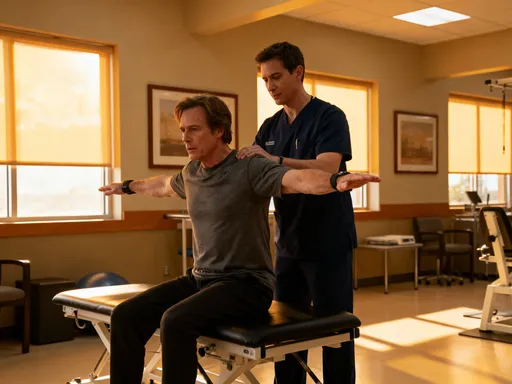
The turning point came during a conversation with my physical therapist. She didn’t just show me exercises; she explained why they mattered. She asked about my goals — not just medical ones, but personal ones, like being able to play with my grandchildren without pain. That moment shifted something in me. I realized that recovery wasn’t something that happened to me — it was something I could actively shape. I decided to stop being a passive recipient of care and start becoming a participant in my own healing. This wasn’t about taking control away from my doctors; it was about partnering with them in a structured, science-based rehabilitation process.
What Rehabilitation Really Means in Western Medicine
Rehabilitation, in the context of Western medicine, is not a luxury or an optional add-on — it’s a fundamental component of recovery for many injuries and chronic conditions. At its core, rehabilitation is a systematic, evidence-based process designed to restore function, reduce pain, and improve quality of life. Unlike emergency care, which addresses immediate threats, or surgery, which corrects structural issues, rehabilitation focuses on the long-term process of retraining the body and mind to move, work, and live as fully as possible.
One of the most important distinctions is that rehabilitation is not a quick fix. It does not promise overnight results or dramatic transformations. Instead, it operates on the principle of gradual, measurable progress. Healing tissues take time. Muscles need to be re-activated. Nerves need to re-learn pathways. This process is guided by medical professionals who use standardized assessments to track improvement and adjust treatment plans accordingly. The goal is not simply to eliminate symptoms, but to address the underlying causes of dysfunction.
Western medical rehabilitation typically involves a multidisciplinary team. Physical therapists specialize in movement and strength, helping patients regain mobility through targeted exercises. Occupational therapists focus on daily living activities — things like dressing, cooking, or working at a computer — ensuring that patients can function independently. Physicians, including physiatrists (specialists in physical medicine and rehabilitation), oversee the medical aspects, managing pain, coordinating care, and monitoring for complications. Together, these professionals create a comprehensive plan tailored to the individual, grounded in clinical research and best practices.
Why So Many Beginners Get It Wrong
Despite the clear benefits of structured rehabilitation, many people struggle to engage with it effectively — especially in the beginning. One of the most common pitfalls is the expectation of rapid results. In a culture that values speed and efficiency, the slow, incremental nature of recovery can feel frustrating. Patients may expect to feel better after a few sessions, and when progress is subtle, they may lose motivation or abandon treatment altogether. This impatience can lead to setbacks, as skipping exercises or missing appointments disrupts the continuity of care.
Another widespread misconception is the belief that rehabilitation is only for severe injuries. Some people assume that if their condition isn’t life-threatening, they can manage it on their own. They may rely on over-the-counter pain relievers, internet searches, or advice from friends. While self-care has its place, it is not a substitute for professional guidance. Without proper assessment, individuals may misdiagnose their condition or perform exercises that worsen their symptoms. For example, certain back stretches can be helpful for some types of pain but harmful for others. This is why medical supervision is essential.
Disengagement is another major risk. Some patients follow instructions mechanically — doing the exercises because they’re told to, without understanding their purpose. When motivation wanes, adherence drops. Others may feel intimidated by medical terminology or hesitate to ask questions, leading to confusion and mistakes. The key is to move from passive compliance to active participation. This means asking for explanations, seeking clarification, and taking ownership of the recovery process. Trusting your healthcare providers doesn’t mean giving up your voice — it means using it to build a stronger, more informed partnership.
My First Steps: Building a Realistic Health Management Plan
My journey truly began with a comprehensive initial assessment. This wasn’t just a conversation — it included a physical examination, range-of-motion tests, strength evaluations, and a detailed discussion of my medical history and daily routine. My physiatrist and physical therapist worked together to identify my functional limitations and set realistic goals. We didn’t aim for perfection; instead, we focused on small, achievable milestones. For example, one of my first goals was to walk for ten minutes without stopping. It sounds simple, but at the time, it felt like a major challenge.
Setting measurable objectives made a significant difference. Instead of saying, “I want to feel better,” I could track progress with specific indicators: how far I walked, how long I stood, how much pain I reported on a scale of one to ten. This data became part of my health journal, which I updated daily. Tracking wasn’t about judgment — it was about awareness. I began to notice patterns: certain activities increased my discomfort, while consistent movement actually reduced stiffness. This information helped my care team adjust my treatment plan, ensuring it remained aligned with my evolving needs.
Another crucial element was documentation. I kept a folder with all my medical records, therapy notes, and appointment summaries. Having this information organized allowed me to communicate more effectively with my providers. I could refer back to previous assessments, compare progress, and ask informed questions. This sense of structure gave me confidence. I wasn’t just following orders — I was part of a process that valued evidence, consistency, and collaboration. The plan wasn’t rigid; it was adaptable, responding to my body’s feedback and medical guidance.
The Daily Routine That Actually Worked
One of the biggest challenges in rehabilitation is consistency. It’s easy to do exercises when you feel motivated, but what about the days when you’re tired, busy, or discouraged? To overcome this, I built a daily routine that integrated treatment into my existing schedule. I took my medication at the same time each day, aligned with meals to improve absorption and reduce side effects. I scheduled my physical therapy exercises for the morning, when my energy levels were highest. I set reminders on my phone and placed printed instructions on the refrigerator as a visual cue.
I also made small environmental adjustments to support my recovery. I replaced my old office chair with an ergonomic model that supported proper posture. I used a lumbar roll while driving and avoided prolonged sitting by taking short walking breaks every hour. At home, I rearranged my kitchen so that frequently used items were within easy reach, minimizing bending and twisting. These changes weren’t drastic, but they reduced strain and made it easier to follow my therapist’s recommendations.
Of course, there were setbacks. Some days, I felt worse after exercising. Other times, I simply didn’t feel like doing the work. During those moments, I relied on the support of my care team. My physical therapist reminded me that discomfort during rehabilitation is often a sign of adaptation, not harm. She helped me distinguish between normal soreness and warning signs that required medical attention. I also joined a support group for people in rehabilitation, where I could share experiences and encouragement. Knowing I wasn’t alone made a difference. Progress wasn’t linear, but over time, the good days began to outnumber the difficult ones.
When Science Meets Commitment: Understanding the Why Behind the What
One of the most empowering aspects of my recovery was learning the science behind the treatments. For example, I discovered that soft tissues like muscles and ligaments heal in predictable phases: inflammation, repair, and remodeling. Each phase requires different types of care. In the early stages, rest and controlled movement help prevent further damage. Later, progressive loading strengthens the tissue and improves resilience. Understanding this timeline helped me accept that healing takes weeks, not days — and that rushing the process could lead to reinjury.
Another concept that changed my perspective was neuroplasticity — the brain’s ability to reorganize neural pathways in response to experience. After an injury, the body often develops compensatory movement patterns to avoid pain. These adaptations can become habitual, even after the injury has healed. Rehabilitation helps retrain the brain and muscles to move correctly again. When I learned this, I began to see my exercises not as chores, but as brain training. Each repetition was a step toward re-establishing healthy movement patterns.
Muscle re-education was another key principle. After weeks of limited activity, muscles weaken and coordination declines. Simple tasks require re-learning. My physical therapist used techniques like mirror feedback and slow-motion practice to help me regain control. Knowing that these methods were backed by research increased my confidence in the process. I wasn’t guessing what to do — I was following a protocol developed through years of clinical study. This reliance on evidence, rather than anecdote or opinion, gave me a sense of security and trust in the approach.
Staying on Track: Tools and Mindset Shifts That Made a Difference
Maintaining momentum in rehabilitation requires more than willpower — it requires practical tools and a supportive mindset. One of the most helpful tools was a medical app that allowed me to log my exercises, track pain levels, and receive appointment reminders. I could also share this data with my therapist, who used it to monitor my progress between visits. Having a digital record made it easier to stay consistent and identify trends over time.
Communication with my healthcare providers also improved. Instead of nodding along in appointments, I started preparing questions in advance. I asked about the purpose of each exercise, the expected timeline for improvement, and signs that I should seek help. This shift from passive listening to active engagement made me feel more in control. I also learned to advocate for myself — requesting clarification when instructions were unclear or asking for modifications when an exercise caused discomfort.
Perhaps the most significant change was emotional. I had to let go of the idea that recovery should be fast or flawless. I learned to practice self-compassion, recognizing that setbacks are part of the process. I began celebrating small wins — walking a little farther, standing a little taller, sleeping through the night. These moments of progress, though modest, built confidence and motivation. I also developed patience, understanding that healing is not a race. By focusing on effort rather than perfection, I cultivated a mindset that supported long-term success.
Conclusion: Health Management Is a Journey, Not a Destination
Looking back, my recovery was not defined by a single breakthrough, but by a series of small, deliberate choices. I learned that managing health through Western medicine is not about waiting for a miracle — it’s about showing up, doing the work, and trusting a process grounded in science and professional expertise. The partnership with my healthcare team was essential. Their knowledge, combined with my commitment, created a foundation for meaningful progress.
Every person’s journey is different. What worked for me may not work for someone else — and that’s okay. The key is to find a path that is safe, evidence-based, and tailored to individual needs. Rehabilitation is not a one-size-fits-all solution. It requires patience, consistency, and a willingness to learn. It also requires letting go of unrealistic expectations and embracing progress, however gradual it may be.
Managing health is not a destination with a clear endpoint. It’s an ongoing process of awareness, adjustment, and self-care. It’s about making informed decisions, staying connected to your care team, and honoring your body’s limits and capabilities. If you’re beginning your own recovery, know that you don’t have to have all the answers right away. Start with one step — a doctor’s visit, a physical therapy session, a commitment to track your progress. Each action, no matter how small, moves you forward. This experience is shared for informational purposes only and does not replace professional medical advice. Always consult licensed healthcare providers for diagnosis and treatment.