What Science Says About Healing Your Skin — A Real Recovery Story
Ever felt like your skin just won’t heal, no matter what you try? I’ve been there — dealing with redness, irritation, and zero results from trendy products. That’s when I turned to science-backed methods instead of hype. What changed wasn’t magic, but a structured, daily rehabilitation plan focused on skin biology. This is how I rebuilt my skin barrier using proven strategies, and why understanding the science made all the difference. Healing skin is not about finding the next miracle serum; it’s about creating the right internal and external conditions for recovery. For years, I chased quick fixes, only to worsen the damage. But once I shifted my focus from appearance to function — from cosmetics to biology — everything changed.
The Breaking Point: When My Skin Hit Rock Bottom
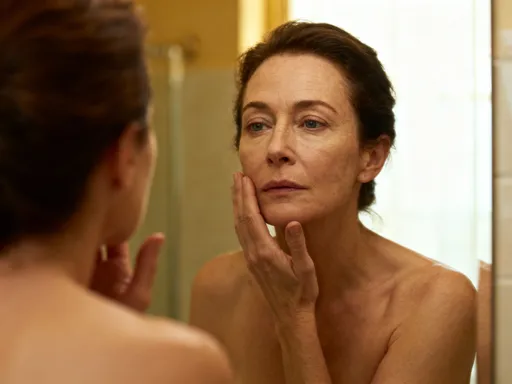
There was a time when looking in the mirror felt like facing an enemy. My skin was constantly red, flaky, and sensitive. Even mild weather changes triggered burning sensations. I avoided social events because I was embarrassed by my appearance. Makeup no longer helped — in fact, it made things worse. Every morning, I’d wake up hoping for improvement, only to find new patches of irritation. I had tried nearly every over-the-counter solution advertised as ‘gentle’ or ‘for sensitive skin,’ yet nothing worked. Some products promised rapid results, but instead left my face raw and inflamed. The emotional toll was heavy. I began to feel isolated, as if my skin defined my worth.
What I didn’t realize then was that I was part of a growing trend: people unintentionally damaging their skin barriers through excessive routines. I had fallen into the trap of believing more products meant better results. My routine included multiple cleansers, toners, exfoliants, serums, and moisturizers — all applied daily. I thought I was being diligent, but I was actually overwhelming my skin. The turning point came during a routine visit to my general practitioner, who referred me to a dermatologist after noticing the severity of my condition. That appointment changed everything. For the first time, someone explained that my skin wasn’t broken because of bad luck — it was damaged due to misuse.
That moment of clarity forced me to confront the truth: I needed a rehabilitation plan, not another skincare gimmick. I had to accept that healing would take time and consistency. There would be no overnight transformations. But I also realized that true recovery required understanding the root cause, not just treating symptoms. This marked the beginning of a journey grounded in science, patience, and self-compassion. I stopped chasing perfection and started focusing on restoration. The emotional shift was just as important as the physical one — learning to see my skin not as a flaw, but as a living organ in need of care.
Understanding Skin as an Organ: The Biology Behind the Breakdown
Skin is often treated like a canvas for beauty products, but it is, in fact, the body’s largest organ. It serves critical functions: protecting against pathogens, regulating temperature, and maintaining hydration. At its outermost layer lies the stratum corneum — a thin but vital shield composed of dead skin cells held together by lipids. These lipids, including ceramides, cholesterol, and fatty acids, form a waterproof barrier that prevents moisture loss and blocks irritants. When this barrier is intact, skin appears smooth, resilient, and balanced. But when compromised, even mild environmental stressors can trigger inflammation, dryness, and sensitivity.
Damage to the skin barrier occurs in many ways. Over-cleansing with harsh soaps strips away natural oils. Frequent use of chemical exfoliants like alpha-hydroxy acids (AHAs) or beta-hydroxy acids (BHAs) disrupts cell turnover cycles. Even well-intentioned habits — such as double-cleansing or using hot water — can weaken the lipid matrix over time. Additionally, psychological stress increases cortisol levels, which in turn elevates inflammation and impairs barrier repair. Environmental factors like low humidity, pollution, and UV exposure further strain the skin’s defenses. The result is a cycle of damage and reactivity that becomes increasingly difficult to break without intervention.
Scientific research consistently shows that impaired barrier function is linked to chronic skin conditions such as eczema, rosacea, and contact dermatitis. A study published in the Journal of Investigative Dermatology found that individuals with sensitive skin exhibit lower ceramide levels and higher transepidermal water loss (TEWL), indicating a weakened barrier. Another review in Clinical, Cosmetic and Investigational Dermatology emphasized that inflammation is both a cause and consequence of barrier dysfunction — meaning once the cycle begins, it tends to perpetuate itself. Understanding these biological mechanisms was essential in shifting my mindset from cosmetic correction to physiological repair. Healing skin isn’t about covering flaws — it’s about restoring its fundamental ability to protect and regenerate.
Why Most Skincare Routines Fail: The Gap Between Hype and Science
The modern skincare market thrives on promise and perception. Advertisements promote rapid transformation — glowing skin in seven days, wrinkle reduction in two weeks, or complete clarity in a month. These claims create unrealistic expectations and encourage consumers to adopt aggressive regimens. Many popular routines include multiple active ingredients used simultaneously: retinoids, vitamin C, exfoliating acids, and brightening agents. While each may have scientific merit in controlled use, combining them without proper spacing or recovery periods often leads to over-exfoliation and irritation. The absence of phase-based planning turns skincare into a source of harm rather than healing.
One major issue is the phenomenon known as ‘ingredient chasing.’ Consumers are led to believe that success depends on finding the latest miracle compound — whether it’s niacinamide, hyaluronic acid, or bakuchiol. While these ingredients do offer benefits, their effectiveness depends on formulation, concentration, and compatibility with individual skin types. More importantly, they cannot repair a damaged barrier if the foundational conditions for healing are missing. Using powerful actives on compromised skin is like building a house on cracked ground — no matter how high you stack the walls, the structure remains unstable. Without a focus on protection and repair, even evidence-based ingredients can contribute to further damage.
Marketing also downplays the importance of simplicity. Brands rarely promote doing less, yet dermatological research supports minimalism in recovery phases. A 2021 clinical trial published in the Journal of the American Academy of Dermatology showed that patients with reactive skin experienced faster improvement when using a simplified routine of gentle cleanser, ceramide-rich moisturizer, and daily sunscreen. Complex routines, by contrast, increased the risk of adverse reactions. The gap between scientific evidence and consumer practice is wide. True healing requires stepping back from trends and embracing a slower, more intentional approach — one that prioritizes skin health over speed or novelty.
Building a Skin Rehabilitation Plan: Principles from Dermatology Research
Rebuilding a damaged skin barrier requires a structured, science-informed strategy. Dermatologists emphasize four core principles: consistency, minimalism, protection, and repair. Consistency ensures that the skin receives stable support without sudden changes that could trigger reactivity. Minimalism reduces the risk of irritation by limiting product exposure to only what is necessary. Protection involves shielding the skin from environmental stressors, particularly UV radiation and pollutants. Repair focuses on restoring lipid balance and supporting natural regeneration processes. Together, these pillars form the foundation of effective skin rehabilitation.
Ceramides play a central role in repair. They are naturally occurring lipids that help maintain the skin’s structural integrity. When levels decline due to aging, over-cleansing, or environmental damage, supplementation through topical products becomes essential. Clinical studies have shown that ceramide-containing moisturizers significantly improve hydration and reduce symptoms in individuals with dry, sensitive, or eczema-prone skin. Equally important is maintaining a balanced skin pH, which typically ranges between 4.5 and 5.5. Alkaline cleansers disrupt this balance, weakening the acid mantle and increasing vulnerability to bacteria and inflammation. Switching to pH-balanced, soap-free cleansers supports microbial harmony and strengthens defense mechanisms.
Another key factor is time. Skin renewal cycles last approximately 28 days in healthy adults, though this slows with age. This means visible improvements take weeks, not days. Patience is not optional — it is a biological necessity. Rushing the process by introducing new products too quickly or increasing concentrations prematurely can undo progress. A rehabilitation plan should follow phases: an initial stabilization period focused on calming inflammation, followed by gradual reintroduction of supportive ingredients only after the barrier shows signs of recovery. This phased approach aligns with clinical protocols used in dermatology and reflects how the body naturally heals — slowly, systematically, and with consistent input.
My Daily Protocol: What Actually Worked (Step by Step)
After consulting with a dermatologist and reviewing current research, I developed a daily protocol designed to support barrier recovery without triggering further irritation. The routine was simple, consistent, and grounded in clinical evidence. In the morning, I began with a lukewarm rinse using a non-foaming, pH-balanced cleanser. I avoided rubbing or scrubbing, instead gently patting my face dry with a soft cotton towel. Next, I applied a lightweight, fragrance-free moisturizer rich in ceramides, cholesterol, and fatty acids — the three essential lipids for barrier repair. Finally, I applied a broad-spectrum SPF 30 sunscreen formulated for sensitive skin. Sun protection was non-negotiable, as UV exposure exacerbates inflammation and delays healing.
At night, the routine followed a similar structure but included one additional step: hydration. After cleansing, I used a simple humectant serum containing glycerin and hyaluronic acid to draw moisture into the upper layers of the skin. This was immediately followed by a thicker occlusive moisturizer to seal in hydration and reinforce the lipid barrier. I avoided all actives — no retinoids, acids, or brightening agents — for at least eight weeks. This elimination phase allowed my skin to stabilize without added stress. I also switched to hypoallergenic laundry detergent for my pillowcases and used a humidifier in my bedroom to maintain optimal air moisture levels, especially during winter months.
Tracking progress was crucial. I took weekly photos under consistent lighting to monitor changes. Within three weeks, I noticed reduced redness and fewer dry patches. By week six, my skin felt calmer and more resilient. Texture improved gradually, and I experienced less stinging when applying products. I kept a journal to record any reactions, sleep quality, and dietary patterns, which helped identify subtle influences on my skin. The most powerful change, however, was psychological: I stopped reacting emotionally to bad skin days. Instead of panic, I responded with patience, knowing that healing was underway. This routine didn’t promise perfection — it delivered functionality, and that made all the difference.
Lifestyle Factors That Accelerate Skin Healing: Sleep, Diet, and Stress Control
Skin health is not determined by topical products alone. Internal factors play a significant role in recovery and resilience. Sleep, in particular, is a powerful driver of cellular regeneration. During deep sleep, the body increases blood flow to the skin and releases growth hormones that support tissue repair. Research published in the journal Clinical and Experimental Dermatology found that poor sleep quality is associated with increased signs of intrinsic aging and reduced barrier recovery after environmental stress. Participants who slept fewer than six hours per night showed slower healing rates and higher levels of inflammation compared to those who slept seven to nine hours. Prioritizing consistent, high-quality sleep became a cornerstone of my recovery plan.
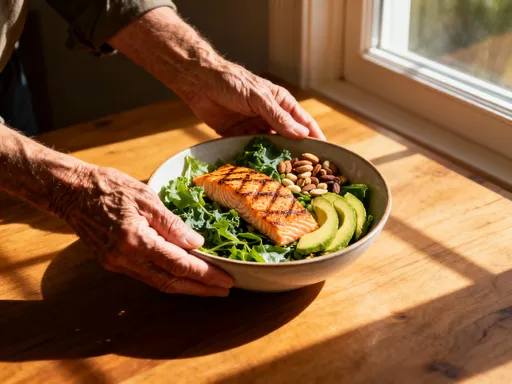
Diet also influences skin integrity. Certain nutrients are directly involved in maintaining barrier function and reducing inflammation. Omega-3 fatty acids, found in fatty fish, flaxseeds, and walnuts, help modulate the body’s inflammatory response. Zinc, present in pumpkin seeds, legumes, and lean meats, supports wound healing and immune function. Vitamins A, C, and E contribute to collagen production and antioxidant defense. While no single food can ‘fix’ damaged skin, a balanced, whole-foods-based diet provides the building blocks needed for repair. I reduced processed sugars and refined carbohydrates, which some studies suggest may exacerbate inflammation, and increased my intake of colorful vegetables, healthy fats, and hydrating fluids.
Stress management was perhaps the most unexpected yet impactful factor. Chronic stress elevates cortisol, a hormone that increases oil production, weakens the skin barrier, and prolongs inflammation. Mindfulness practices such as deep breathing, gentle yoga, and daily walks in nature helped regulate my nervous system. I also set boundaries around screen time and social media, which had previously fueled comparison and anxiety. Over time, I noticed that on days when I felt emotionally balanced, my skin appeared calmer — a clear signal of the mind-skin connection. Healing became holistic, extending beyond my bathroom cabinet into the rhythms of daily life.
When to Seek Professional Help: Knowing the Limits of Self-Care
While many cases of mild irritation and barrier damage can improve with careful self-management, there are signs that indicate the need for professional evaluation. Persistent redness, swelling, oozing, or intense itching may signal underlying conditions such as atopic dermatitis, seborrheic dermatitis, or allergic contact dermatitis. Similarly, recurring breakouts that do not respond to gentle care could point to hormonal imbalances or rosacea. In such cases, self-diagnosis and over-the-counter experimentation can delay proper treatment and potentially worsen symptoms.
Dermatologists offer tools that go beyond skincare routines. They can perform patch testing to identify allergens, prescribe medicated creams such as low-potency corticosteroids or calcineurin inhibitors for inflammation, and recommend procedures like phototherapy when appropriate. They also provide personalized guidance based on medical history, skin type, and lifestyle. Seeking help is not a failure — it is an act of responsibility. During my recovery, my dermatologist monitored my progress and adjusted recommendations as my skin improved. This partnership ensured that I stayed on track and avoided unnecessary risks.
It’s also important to recognize that skin conditions can have systemic causes. Autoimmune disorders, nutritional deficiencies, and hormonal changes may manifest through the skin. A healthcare provider can order blood tests or refer to specialists when needed. The goal is not to pathologize every skin issue, but to know when home care reaches its limit. Empowerment comes from knowing when to act independently and when to seek expert support. True self-care includes the wisdom to ask for help.
Conclusion: Skin Healing Isn’t Fast — But It’s Possible
Healing my skin was not a quick transformation, but a gradual return to balance. It required letting go of the pursuit of perfection and embracing the slower path of restoration. What began as a personal struggle became a lesson in patience, science, and self-respect. I learned that healthy skin is not defined by flawlessness, but by resilience — the ability to protect, repair, and function properly. The most powerful tool I gained was knowledge. Understanding the biology of my skin gave me the confidence to make informed choices and resist the lure of shortcuts.
This journey taught me that skincare is not just about what goes on the surface, but about how we live. Consistency, simplicity, and compassion matter more than any product. Sleep, nutrition, and emotional well-being are not secondary — they are integral to healing. And while results take time, they are far more lasting when built on a foundation of science rather than hype. If you’re struggling with reactive, damaged skin, know that recovery is possible. It won’t happen overnight, but with the right approach, your skin can regain its strength. True beauty lies not in flawless appearance, but in the quiet strength of a body that is healing, one day at a time.