I don't have time for menopause" – This app helped me finally slow down and take care
Menopause isn’t just hot flashes and mood swings—it’s the constant feeling of being overwhelmed, like you’re failing at everything. You’re juggling work, family, and self-care, but something always falls through the cracks. I kept saying, “I’ll deal with it tomorrow,” until a simple tool changed how I manage my days. It didn’t fix menopause, but it gave me back time—time to breathe, to listen to my body, and to finally put myself first without guilt. That shift didn’t come from willpower or a new diet. It came from finally using technology that actually understood what I was going through.
The Breaking Point: When “I’m Fine” Was a Lie
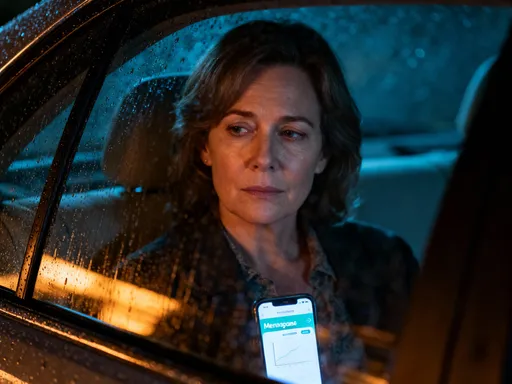
It was a Tuesday morning, and I was sitting in my car outside my daughter’s school, late again, with tears streaming down my face. I’d forgotten her permission slip, missed my own doctor’s appointment the week before, and just yelled at my son because he spilled cereal on the counter—something I wouldn’t have blinked at five years ago. My hands were shaking. I kept thinking, Why can’t I just get it together? I wasn’t lazy. I wasn’t careless. I was doing everything I could, and still, I felt like I was failing everyone—including myself.
That moment wasn’t unique. It was the culmination of months—maybe even years—of pushing through. Menopause crept in like a slow tide, not with a bang, but with a whisper: forgetfulness, fatigue, sudden waves of heat at the worst times, and this nagging sense of being one step behind. I’d wake up already tired, make a to-do list a mile long, and by noon, half of it would feel impossible. My brain, once sharp and reliable, now felt like it was wrapped in fog. I’d walk into a room and forget why. I’d start a sentence and lose the thread. And the guilt—oh, the guilt—was constant. I should be able to handle this. I’ve raised kids, managed a career, kept a home. Why can’t I manage myself?
But here’s what I finally realized: it wasn’t that I couldn’t handle it. It was that I was trying to manage a changing body with tools built for a different version of me. The systems I’d used for years—color-coded calendars, sticky notes, morning affirmations—were designed for consistency. And menopause is anything but consistent. One day I’d feel strong and focused. The next, I’d struggle to open an email without feeling dizzy. I wasn’t broken. My approach was.
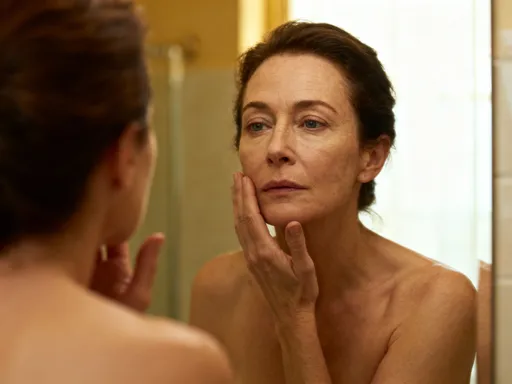
The real breaking point wasn’t the spilled cereal or the missed appointment. It was the moment I looked in the mirror and didn’t recognize the woman staring back. She looked exhausted, overwhelmed, and quietly resentful. And I knew then: if I didn’t change something, I wouldn’t just be failing my family—I’d be losing myself.
Discovering What Was Missing: Not More Willpower, But Better Support
I started searching for answers. I read books, joined online groups, even tried a few wellness retreats. Some helped. Most didn’t. What kept coming up, though, was this idea: maybe the problem wasn’t me—it was the system. I was trying to fit into a world that assumes energy is constant, focus is reliable, and time is linear. But for women in perimenopause and menopause, that’s not reality. Our energy ebbs and flows. Our focus comes in waves. And our time? It’s often stolen by symptoms we can’t predict.
That’s when I stumbled on the concept of *adaptive planning*. It sounded fancy at first, but it’s actually simple: instead of forcing your body to follow a rigid schedule, you build a schedule that follows your body. It’s not about doing more in less time. It’s about doing the right things at the right time. And to do that, you need to understand your rhythm—not just your calendar.
I started tracking my symptoms: hot flashes, sleep quality, brain fog, mood. At first, it felt pointless. I’d write things down and think, So what? I already know I feel awful today. But after a few weeks, patterns emerged. I noticed I had clearer thinking on days after seven hours of sleep. I saw that my energy dipped every three days, like clockwork. And I realized I was scheduling important meetings on the exact days my body was least equipped to handle them.
That was the lightbulb moment. I wasn’t failing because I lacked discipline. I was failing because I was working against my biology. Traditional time management tools don’t account for hormonal shifts. They assume you’ll feel the same on Monday as you do on Friday. But if you’re in menopause, that’s not how it works. What I needed wasn’t another to-do list. I needed a system that could adapt—something that could help me work with my body, not against it.
How the Right Tool Found Me (And Didn’t Feel Like Tech)
I wasn’t looking for an app. In fact, I was skeptical of anything that promised to “solve” menopause. I’d seen enough ads for supplements and teas that claimed miracles. But a friend mentioned she’d started using a menopause support app—not for cures, but for clarity. She said it helped her plan her week around her energy, not her guilt. I rolled my eyes at first. Another app? Really? But I was desperate, so I downloaded it.
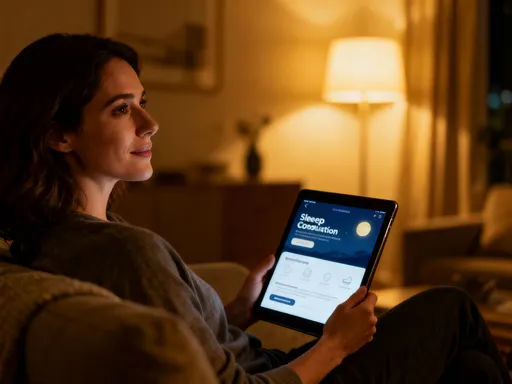
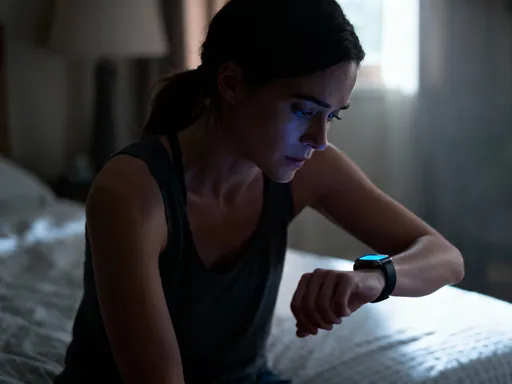
The first thing I noticed was how calm it felt. No flashy graphics, no pushy notifications. It didn’t ask me to log ten things a day. It just asked, “How are you feeling today?” with simple options: energy level, mood, symptoms. I could tap them in while waiting for my coffee to brew. That small act—just checking in—felt like a tiny act of self-care.
What surprised me was how quickly it started making suggestions. On day three, it said, “Based on your pattern, today might be a low-energy day. Consider rescheduling non-urgent tasks.” I ignored it. I had a presentation. But by 10 a.m., I was struggling to focus. My head felt thick. I had to reread the same slide three times. That evening, the app asked, “Did you feel more tired than expected?” I laughed. It was like it knew.
By the end of the first week, I wasn’t just using it—I was trusting it. It didn’t judge me for skipping a workout or forgetting to log breakfast. It didn’t shame me. It just held space for my reality. And slowly, it started helping me anticipate my body’s needs before I even felt them. One morning, it reminded me to drink water and take a short walk before my meeting. I did, and for the first time in weeks, I felt present, clear, and in control. That’s when I realized: this wasn’t just an app. It was a quiet companion, walking beside me through this phase, saying, “I’ve got you.”
Rebuilding Routines Around Energy, Not Hours
Once I started trusting the app, I began to shift how I planned my days. Instead of asking, “What do I have to do?” I started asking, “When am I most likely to do this well?” That small change transformed everything. I moved my workouts to mid-morning, when my energy peaked. I scheduled important conversations with my partner or boss on days when my mood was stable. And I started building in buffer time—15 minutes between tasks—so I wasn’t constantly rushing.
One of the biggest shifts was how I thought about productivity. I used to measure my day by how much I got done. Now, I measure it by how I felt while doing it. Did I rush through dinner while checking emails? Or did I sit with my family, present and calm? The app didn’t add more hours to my day, but it helped me use the ones I had more wisely. It showed me that protecting time for rest wasn’t lazy—it was strategic.
I started saying no to things that drained me. Not dramatically. Not with guilt. Just quietly. A volunteer event I didn’t have energy for? I declined. A last-minute request from work? I asked for an extension. The app didn’t tell me to do this, but it gave me the data to justify it. I could say, “I’ve noticed I’m in a low-energy cycle this week,” and it felt like a valid reason—because it was.
My family noticed the change. My daughter said, “Mom, you seem less stressed.” My husband commented, “You’re not snapping as much.” And it wasn’t because life got easier. It was because I wasn’t fighting myself anymore. I wasn’t trying to be “on” all the time. I was learning to move with my rhythm, not against it. And that made all the difference.
What Changed Beyond Time: Confidence, Calm, and Control
The most unexpected benefit wasn’t more free time—it was more peace. When I stopped rushing from task to task, I started feeling like myself again. The constant background hum of anxiety—Did I forget something? Will I make it? Can I handle this?—began to quiet. Because now, I could see the week ahead with more clarity. I knew when I’d likely feel foggy. I could plan for it. And that anticipation reduced the fear.
My sleep improved, too. Not because the app gave me sleep tips, but because I stopped over-scheduling my evenings. I used to fill every gap with chores or calls, thinking I was being productive. But the app showed me that on high-symptom days, even small tasks felt overwhelming. So I started protecting my evenings. A warm bath. A book. Quiet time. No screens. And slowly, my body learned to wind down again.
My confidence grew. I stopped apologizing for needing rest. I stopped feeling guilty for putting myself on the calendar. And I started making decisions from a place of self-trust, not survival. When a friend asked me to lead a committee, I didn’t automatically say yes. I checked my energy trends. I saw I was entering a tough cycle. So I said, “I’d love to help, but not right now.” And you know what? The world didn’t end. She found someone else. And I didn’t burn out.
That’s the real gift: control. Not control over menopause—because let’s be honest, no one has that. But control over how I respond to it. The app didn’t cure my symptoms, but it gave me the tools to navigate them with more grace. And in doing so, it helped me reclaim a sense of agency I thought I’d lost.
Making It Work for Real Life: No Perfection Needed
Let’s be real: I don’t use the app perfectly. Some days, I forget to log anything. Some weeks, I’m so busy I don’t open it at all. And that’s okay. The beauty of this tool isn’t in daily precision—it’s in the long-term pattern. Even a few check-ins a week give it enough data to offer helpful insights. It’s not about being perfect. It’s about being consistent enough to see change.
I’ve learned to make it fit my life, not the other way around. I log my symptoms while drinking my morning coffee. I use voice notes when my hands are full. I don’t stress if I miss a day. The app doesn’t punish me. It just waits. And when I come back, it’s still there, ready to help.
My advice to anyone starting? Start small. Don’t try to track everything. Just pick one thing—energy, sleep, or mood—and log it for a week. See what shows up. You don’t need to be a data expert. You just need to be curious. And be kind to yourself. Some days will feel pointless. That’s normal. The value isn’t in the individual entries—it’s in the bigger picture they create over time.
And remember: this isn’t about fixing yourself. It’s about understanding yourself. The app isn’t a judge. It’s a mirror. It shows you what’s really happening, so you can respond with compassion, not criticism. That shift—from self-blame to self-awareness—is where the real healing begins.
A New Kind of Self-Care: Time as an Act of Kindness
I used to think self-care meant face masks, green smoothies, or the occasional massage. And those things are nice. But the deepest form of self-care I’ve discovered is time—time to rest, to reflect, to just be. The app didn’t give me more hours in the day, but it helped me protect the ones I have. It became a quiet enforcer of my boundaries, a gentle reminder that my needs matter.
Now, when I see a gap in my schedule, I don’t rush to fill it. I ask, “What does my body need right now?” Sometimes it’s a walk. Sometimes it’s silence. Sometimes it’s saying no. And that feels radical—not because it’s dramatic, but because it’s honest. I’m no longer pretending I can do it all. I’m choosing to do what matters, in the way that honors who I am today.
Menopause didn’t slow me down. My resistance to it did. Once I stopped fighting my body and started listening to it, everything shifted. The app was the tool, but the transformation came from within. It came from deciding that I was worth the time, the attention, the care.
So if you’re in the thick of it—if you’re tired, overwhelmed, and wondering how you’ll make it through the week—know this: you’re not failing. You’re evolving. And you don’t have to do it alone. Sometimes, the bravest thing you can do is slow down, check in, and say, “I’m here. I see you. And I’ve got you.” That’s not just self-care. That’s self-respect. And it’s the most powerful technology of all.